

Queer Disability Continued
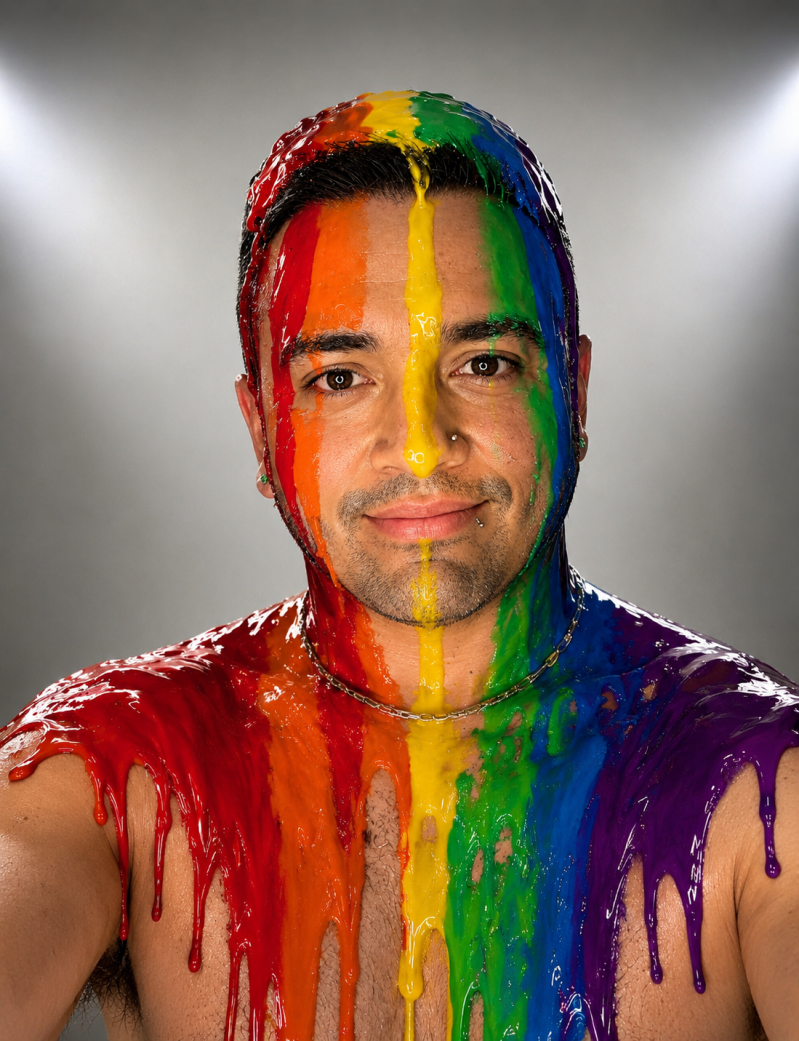
By Jonathan Quinones
July is a month filled with sunshine, celebration, and opportunities to bring people together. While many associate July with summer vacations, outdoor adventures, and family gatherings, it is also a meaningful time to continue the spirit of inclusion, acceptance, and unity that many communities embrace during Pride Month in June. July offers an opportunity to celebrate diversity, strengthen connections, and recognize the importance of creating welcoming spaces for everyone.
As summer reaches its peak, communities around the world gather for festivals, cultural events, and outdoor activities that encourage people from different backgrounds to come together. These events highlight the values of friendship, respect, and understanding, reminding us that diversity enriches our neighborhoods, workplaces, schools, and families.
The LGBTQ+ community has made significant contributions to society in areas such as arts, culture, education, science, business, and public service. July is a wonderful time to continue recognizing these achievements and to celebrate the individuals who help make communities more vibrant, creative, and inclusive. By acknowledging diverse experiences and perspectives, society becomes stronger and more compassionate.
One of the most important aspects of inclusion is creating environments where people feel respected and valued for who they are. Whether in schools, workplaces, community organizations, or social gatherings, fostering acceptance helps build trust and understanding. Small acts of kindness, open-mindedness, and support can make a meaningful difference in the lives of others.
Summer events often provide opportunities for people to connect across cultures, identities, and generations. Community festivals, outdoor concerts, farmers markets, and neighborhood celebrations encourage interaction and friendship. These shared experiences help break down barriers and create a sense of belonging. When people come together with mutual respect, they build stronger and more resilient communities.
July is also a time for reflection and learning. Many individuals use the summer months to explore books, documentaries, and educational resources that deepen their understanding of different cultures and identities. Learning about LGBTQ+ history and the ongoing journey toward equality can inspire meaningful conversations and greater empathy. Education remains one of the most powerful tools for promoting inclusion and reducing prejudice.
For many families, July is a season of togetherness. Family gatherings, vacations, and outdoor activities create opportunities to strengthen relationships and support loved ones. Families that encourage open communication and acceptance help create environments where individuals feel safe, respected, and understood. These supportive relationships can have a lasting positive impact on personal well-being and confidence.
The beauty of July extends beyond its warm weather and long days. It can also be seen in the diversity of the people who share our communities. Every person brings unique experiences, talents, and perspectives that contribute to a richer and more dynamic society. Celebrating these differences while recognizing our shared humanity helps foster unity and mutual respect.
Businesses, organizations, and community groups also play an important role in promoting inclusion throughout the year. Many continue initiatives that support diversity, equity, and belonging long after Pride Month has ended. These efforts help ensure that inclusion is not limited to a single month but remains an ongoing commitment. By creating welcoming environments and encouraging equal opportunities, organizations can make a positive impact on individuals and communities alike.
Nature itself offers a valuable lesson during July. Gardens flourish with a wide variety of flowers, each contributing its own color and beauty to the landscape. In much the same way, diverse communities thrive when people are free to be themselves and share their unique gifts. Differences should be celebrated as strengths that make society more vibrant and innovative.
As the sun sets on warm July evenings, many people gather with friends and loved ones to enjoy the season. These moments remind us of the importance of connection, acceptance, and community. Whether through acts of kindness, supportive conversations, or participation in inclusive events, everyone has the ability to help create a more welcoming world.
In conclusion, July is a month that celebrates more than summer. It is a time to embrace diversity, strengthen community bonds, and continue promoting inclusion for all people, including members of the LGBTQ+ community. By fostering respect, understanding, and acceptance, we can build communities where everyone feels valued and empowered to thrive. As we enjoy the warmth and beauty of July, let us also celebrate the diversity that makes our world brighter, stronger, and more connected.

By TYSON PETE
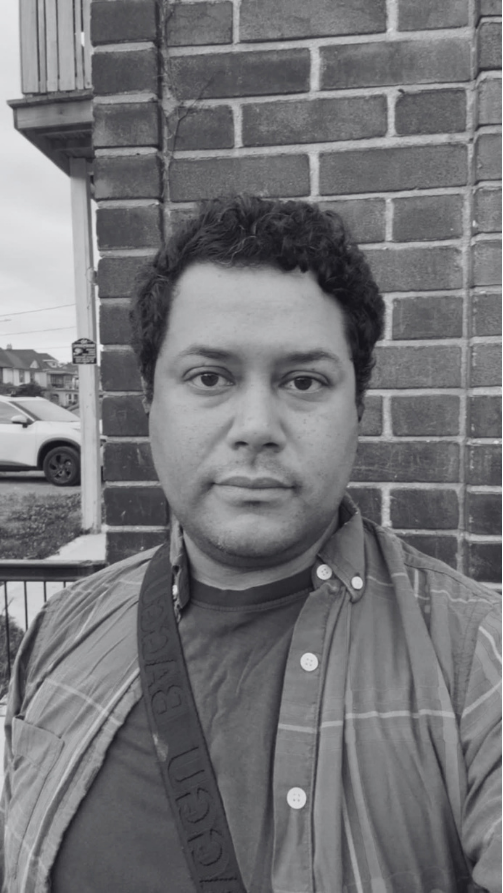
By Adrien Clarke

By Izzy

By Noah Buchanan
he/him/they/them

By Daniel Cayer
The Architecture of Belonging: A Queer, Disability-Forward Aesthetic
To look at a space through the eyes of an interior designer is to understand that a room is never just a collection of four walls, a sofa, and a light fixture. It is an ecosystem of human behavior. Space speaks. It tells us who is welcome, who is expected, and who is a complete afterthought. For too long, traditional design has spoken a language of rigid perfection—a cis-heteronormative, able-bodied standard that demands the human body and identity conform to the room, rather than the room conforming to the human.
When we view interior design through the intersectional lens of queer identity and disability, the mandate of the designer shifts radically. The core philosophy becomes undeniable: Everyone is important, and everyone deserves to be heard, seen, and properly seated.
Through this lens, design ceases to be about mere cosmetics, hyper-minimalist trends, or keeping up with the straight Joneses. It becomes an act of radical empathy, a physical manifestation of belonging where identity, accessibility, and excellent taste are intricately woven into a high-design aesthetic.
Dismantling the Invisible (and Highly Inconvenient) Threshold
Historically, institutional accessibility has been treated as a clinical postscript—a utilitarian ramp tacked onto the back of a building next to the dumpsters, or a sterile grab bar that makes a master bathroom look like a hospital ward. This separation sends a damaging psychological cue: You may enter, but you do not belong in the main narrative. (It also completely ruins the vibe).
A queer, disability-forward design ethos completely dismantles this invisible threshold. In a truly inclusive space, accessibility is seamlessly integrated into the aesthetic DNA from the very beginning, proving that functionality and absolute luxury are not mutually exclusive.
Circulation and Flow:A wide, sweeping hallway or a generous, zero-threshold entryway is not just a practical necessity for a wheelchair user; it is a grand architectural statement. It creates an unhurried, welcoming flow that honors the movement of every body while making a dramatic entrance possible for everyone.
Tactile and Multi-Sensory Luxury:When we design for neurodivergence or sensory disabilities, texture and lighting become paramount. Layering rich, tactile materials—reclaimed wood with its honest, storied imperfections, deeply textured linens, and smooth matte metals—allows a space to be felt, not just seen.
By prioritizing sensory comfort, the designer creates a sanctuary. It is an approach where sustainability meets human variance, proving that spaces can be exceptionally high-end while remaining soft, accommodating, and blissfully quiet.
The Queer Art of Fluidity, Adaptation, and Drama
Queer identity is inherently rooted in fluid definition, the breaking of rigid binaries, and the rewriting of conventional scripts. When intersected with disability, this manifests in the interior as total adaptability. After all, if we can subvert societal norms, we can certainly subvert a standard living room floor plan.
Standard residential layouts often dictate a narrow, painfully traditional view of domestic life: a fixed dining room, a static furniture arrangement, a prescriptive kitchen height. A truly inclusive framework disrupts these assumptions in favor of modularity and custom comfort:
Modular Systems:Furniture should be as flexible as our identities. Modular lounge systems that can be easily reconfigured allow residents to transition seamlessly from low-energy resting days to vibrant, community-centered gathering spots.
Integrated Height Variance:Custom millwork can incorporate varied counter heights that feel intentional and sculptural rather than compromised. A lower, floating console or a drop-down prep station becomes a beautiful design feature that honors a seated chef or a resident who needs to rest while creating.
Color as an Emotional Anchor:Color is a powerful tool for visibility and emotional grounding. Techniques like *Color Drenching wrapping walls, baseboards, and ceilings in a single, monochromatic hue—can create a deeply enveloping, cocoon-like effect. For someone navigating chronic illness or sensory overload, this visual continuity reduces cognitive noise and offers a profound sense of psychological safety. It is a bold, artistic, and un-apologetically dramatic choice that simultaneously serves as a soothing, accessible embrace.
Material Honesty and the Beauty of the Flawed
There is a beautiful parallel between the queer, disabled lived experience and the principles of circular and sustainable design. Both understand the value of things that carry a history, things that have adapted to survive, and things that simply refuse to fit into a pristine, mass-produced, straight-out-of-the-box mold.
Choosing materials that show aging, character, and resilience—such as live-edge surfaces, patinated metals, or hand-woven textiles—is an embrace of "material honesty." It is a direct rejection of the clinical, hyper-polished perfection that dominates commercial trends. In a room that celebrates the unique grain of a reclaimed timber beam, a body that moves differently or an identity that exists outside the mainstream feels entirely at home. The space mirrors the resident: unique, resilient, and inherently valuable.
Designing the Safe Harbor
Ultimately, the intersection of queer identity and disability is a reminder that the home is a safe harbor. For communities that have historically had to fight to be seen in public squares, the domestic interior is a sacred space of self-determination.
When an interior designer listens to a client through this dual lens, they are not just selecting a fabric or drafting a blueprint; they are validating a life. They are ensuring that the lighting is dimmable to soothe chronic migraines (and create flawless ambient mood lighting), that the fabrics are hypoallergenic and soft against sensitive skin, that the pathways are clear and intuitive, and that the aesthetic reflects the vibrant, non-conforming joy of its inhabitants.
To see a space through the eyes of a queer, disability-forward designer is to realize that true luxury is not about exclusivity. True luxury is the profound comfort of a space that whispers to every person who enters:
You are expected. You are seen. And you belong here exactly as you are.
Daniel Cayer
647-290-7361
danielcayerinteriors.com

By O aka Otoniel Trujillo II

Add comment
Comments